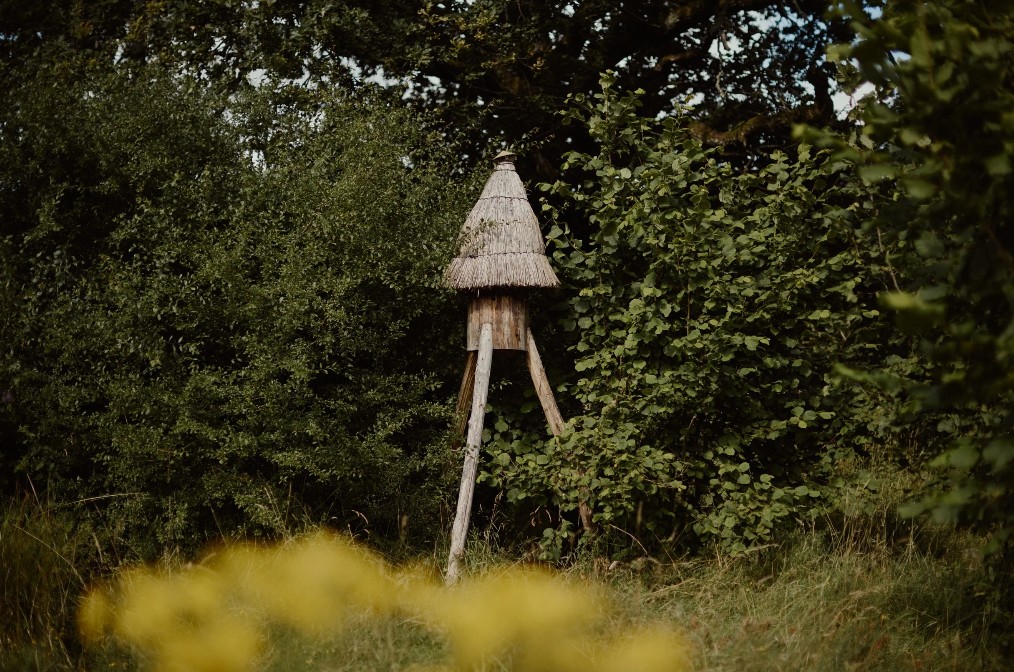
At Another Country, our passion for rewilding runs deep as you can probably tell from our previous posts. Over the years, we’ve regularly documented stories for our readers of nature’s quiet resurgence from the wilderness of Scotland to the pioneering efforts of Heal Rewilding (above image). What follows is our latest update on some rewilding projects close to home, a story of land slowly healing, and of people working gently to make space for nature once again.
This vision is taking shape in the West Country through the remarkable work of Heal Rewilding in Somerset, on land they required more than two years ago, alongside a growing number of local landowners reimagining their relationship with the land (image above).
Over the past year, Heal Somerset has become a powerful demonstration of what happens when you let nature take the lead. Spread across 460 acres of former dairy pasture near Bruton, the land is being given the chance to breathe again. Once uniform fields are now alive with possibility, dormant wildflower seeds are beginning to stir and scrub, bramble and young trees are emerging not by design, but through natural regeneration.
Woodland regeneration has begun on 24 hectares in the northern part of the site, where oak, willow, hawthorn and other native species are re-establishing themselves. These trees, born of local seedbanks, are far more resilient than any we could impose. Across the southern fields, habitats are being restructured to welcome back lost species including wetland birds and insects that have long been absent. In time, native grazers such as ponies and pigs will be reintroduced to mimic the ecological roles once played by wild animals. Even beavers, labelled ‘nature’s quiet architects’, have taken up residency. Water is returning too, as the compacted soils soften, unlocking hidden springs and seasonal pools.
It is deeply inspiring to see what is unfolding at Heal Somerset. It gives us hope for what’s possible, and reminds us that slowness can be its own form of progress.

But rewilding doesn’t only happen on hundreds of acres. Across the West Country, a quiet movement is forming led by individuals and communities working with smaller plots of land. Jonathan Thomson, founder of Underhill Wood Nature Reserve in Wiltshire (above image and bottom), is one of those people. With more than 25 acres, Jonathan has created a sanctuary for wildlife and a learning space for people. His book, How to Rewild: A Practical Manual for One to Fifty Acres, has helped a new generation of landowners and gardeners understand how to restore nature with the lightest touch. Underhill Wood is not only a haven for birds, insects and woodland life, it is a place of conversation, teaching and shared discovery.
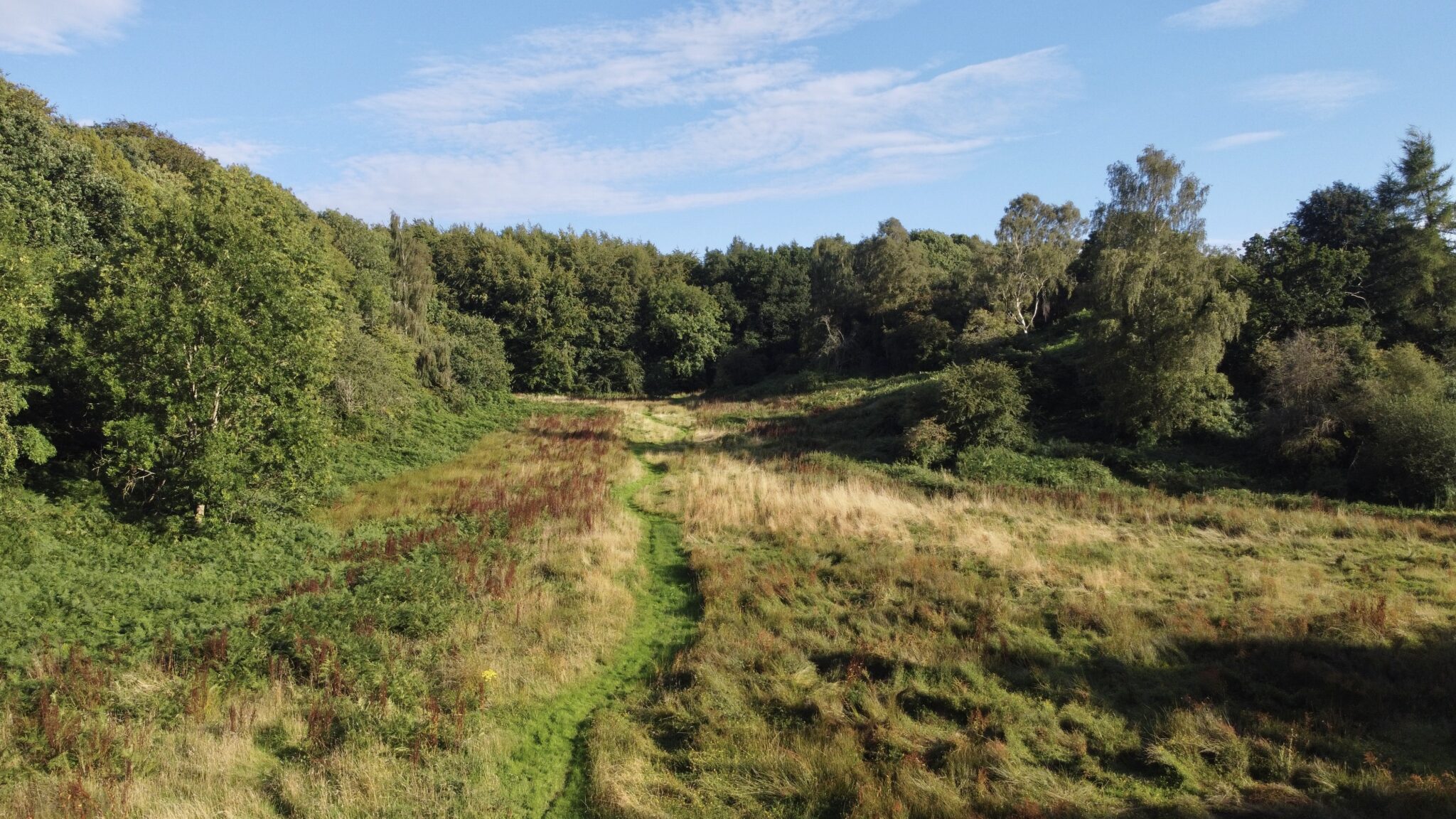
Jonathan helped form the Wiltshire Small Rewilders Network, a growing collective of 60 like-minded stewards who are proving that rewilding can happen anywhere: in fields, gardens, woodland edges and wild corners. People like Fiona and Rich Cassidy, who left city life in Bristol to create Found Outdoors (image above) on 54 acres of former pastureland. Their approach is similarly patient, letting the land guide the process, allowing trees to grow where they choose, and watching biodiversity return without interference. What began as an environmental impulse has become a space for community: a place where talks, walks and outdoor gatherings invite others into the work of healing.
These are not grand gestures. They are small, steady ones and they are enough. Whether it’s a wild hedge on the edge of a Somerset field or a seed sprouting from the soil at Heal, every act of rewilding carries the same message: nature knows. Our role is simply to create the conditions for it to flourish again.